

What is the ISPM 15 standard and why is it important in exports?
Sometimes all the export steps have been completed correctly; the goods are intact, the documents are complete, and the shipment is booked, but a few unsuitable wooden pallets can create quarantine problems for the shipment.
This is because raw wood can carry some pests and its movement between countries increases the risk of plant pest transmission. For this reason, the International Plant Protection Convention (IPPC) has developed the ISPM 15 standard to control wood packaging material used in international trade.
What does ISPM 15 include?
ISPM 15 deals with Wood Packaging Material made from raw wood.
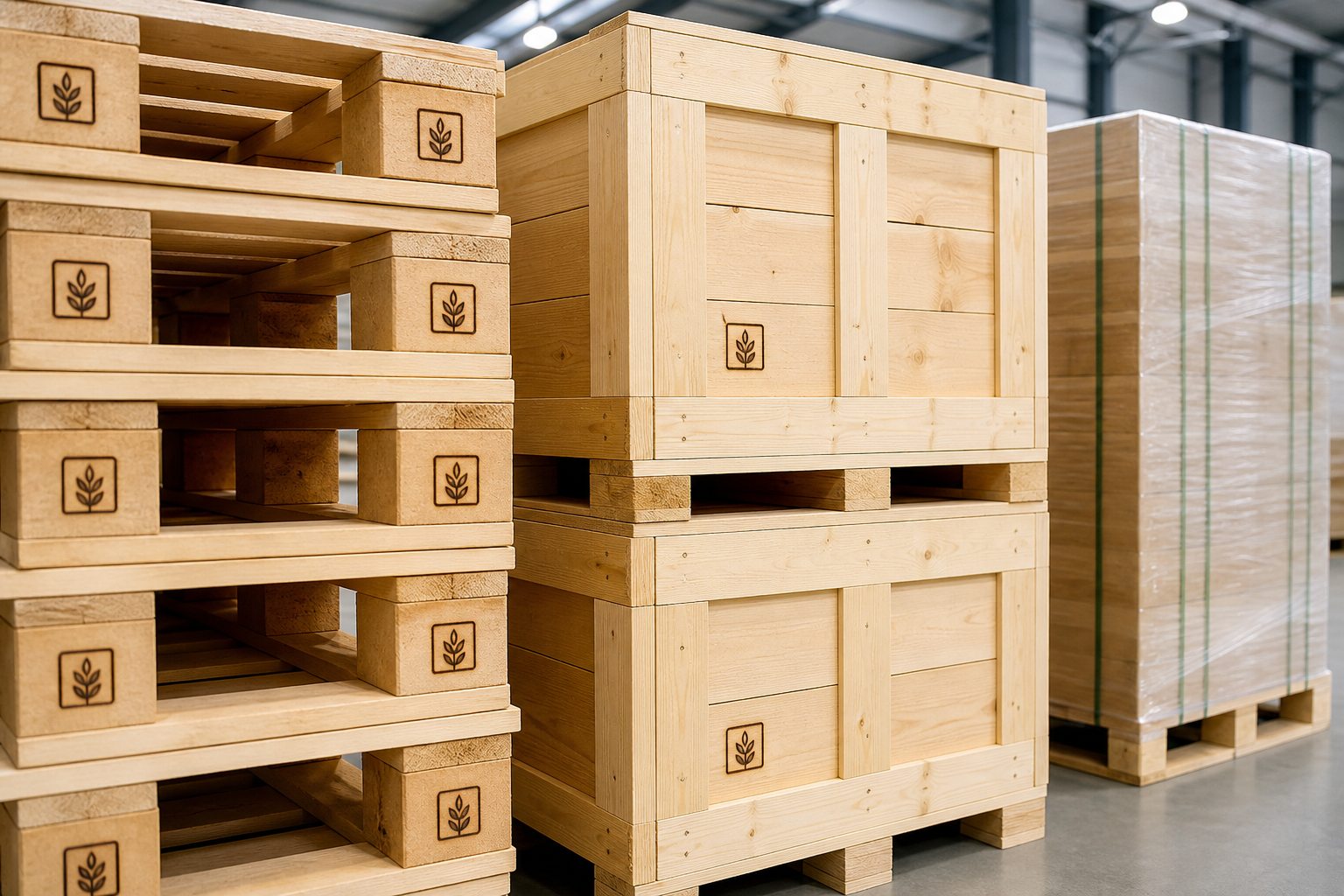
Wooden pallets, crates, boxes, some stands, and wooden dunnage can fall within the scope of these regulations.
In contrast, materials that have been sufficiently processed through an industrial process, such as some types of plywood, are excluded from the main scope of the standard because the risk of pests associated with raw wood is significantly reduced.
What is the purpose of ISPM 15?
The goal of the standard is not to create barriers to trade; on the contrary, it creates a common language between countries.
When wood packaging is treated with an approved method and bears the standard mark, quarantine authorities in the destination country can more quickly determine that the packaging has been prepared according to an internationally recognized framework.
In addition to reducing the risk of pest spread, ISPM 15 also facilitates trade because its recognized mark can replace the need for some separate documentation related to the wood packaging itself.
What does the ISPM 15 seal mean?
The ISPM 15 mark indicates that the wood packaging has been treated by an authorized unit using one of the standard approved methods.
This mark usually provides information to identify the country and authorized unit and the type of treatment. Therefore, simply putting a stamp with the words ISPM 15 on the pallet is not enough; the mark must be used within the framework of the exporting country’s approved system.
ISPM 15 status in Iran
The Iranian Plant Protection Organization has also addressed Standard No. 15 and the rules for wood packaging materials in international trade in the quarantine and plant health regulations section, and has instructions and processes related to the ISPM 15 code for units active in the field of disinfection and implementation of this standard.
As a result, the exporter is better off purchasing wooden pallets and packaging from a collection that meets the current requirements of the Plant Protection Organization and has the ability to provide the required documentation.
Is every wooden pallet suitable for export?
No. A pallet may be perfectly suitable in terms of weight capacity but not meet the quarantine requirements of the destination.
For this reason, when purchasing pallets for export shipments, it is not only the dimensions, price and mechanical strength that should be considered. The type of wood, the treatment status, marking and the requirements of the destination country are also important.
What happens if the pallet is not standard?
The type of action will depend on the regulations of the destination country and the outcome of the inspection, but non-compliance can result in further inspection and quarantine measures.
For an exporter, this same stoppage can mean higher costs, delayed deliveries, and more complex supply chains.
Is second-hand wooden packaging usable?
Reuse is not necessarily prohibited, but the condition of the packaging should be carefully checked. Repair, remanufacturing, or modification of parts of the packaging can affect its compliance status.
Therefore, in exports, it is not possible to determine the authenticity of a used pallet simply by its appearance.
What should exporters do?
- Before final packaging, check the destination country’s regulations for the same type of goods.
- Check the compliance of the wooden pallet or box with ISPM 15 and national regulations.
- Keep clear images of pallet markings and purchase or treatment documents until the end of the shipping process.
- For goods that cross multiple countries, also consider transit route requirements.
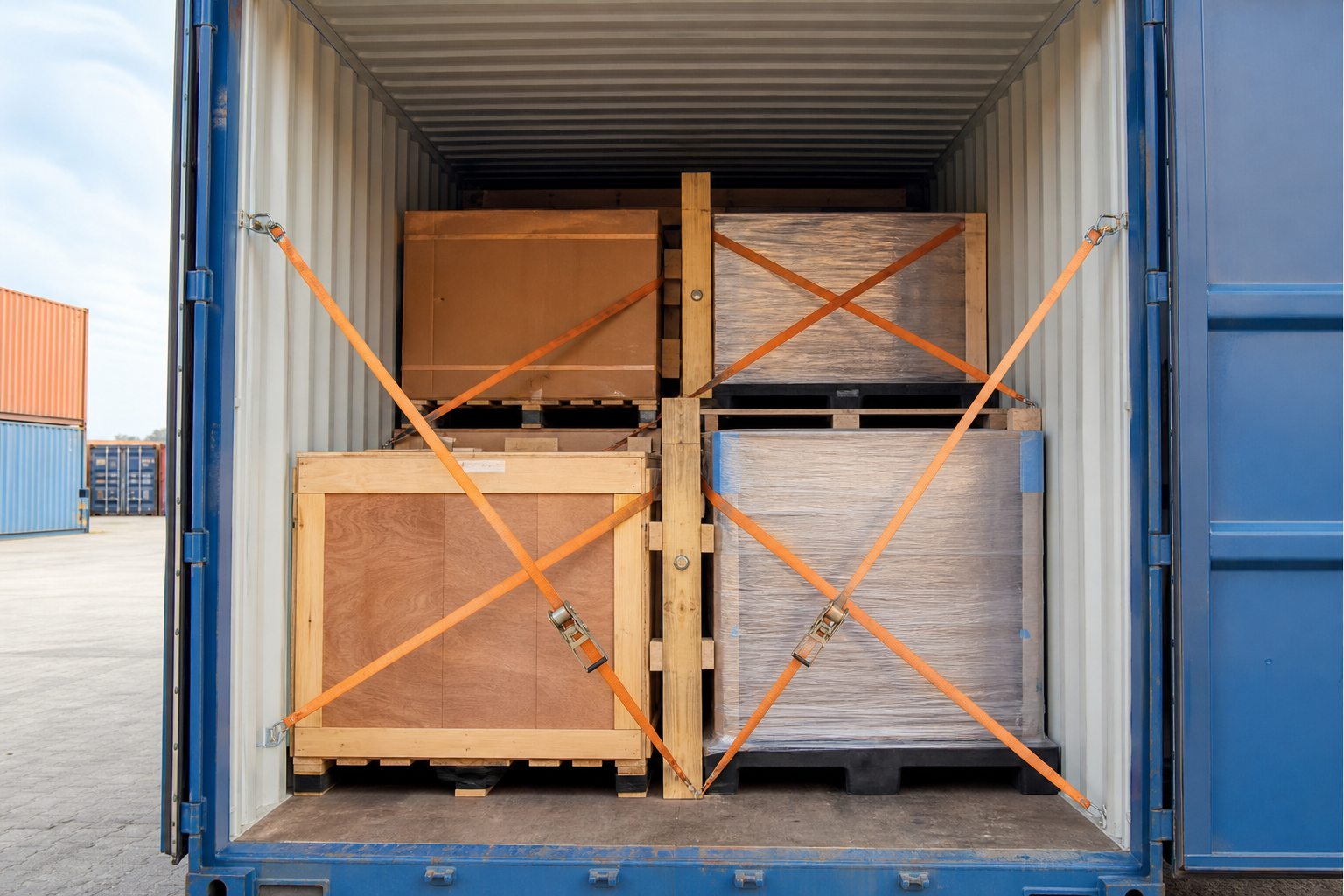
Also, coordinating packaging with container loading and bracing methods can reduce the risk of damage or cargo stoppage.
Conclusion
ISPM 15 is not a minor issue in packaging; for many export shipments it can be a critical factor in passing quarantine controls without any problems.
Using proper wooden packaging, working with an authorized supplier, and checking destination regulations before loading is much easier and less expensive than solving the problem after the shipment arrives at its destination.
FAQ
Do all export pallets have to be ISPM 15?
No; it depends on the packaging material and the requirements of the destination. Fully processed wood materials may be exempt from the scope of the standard.
Is a regular stamp from the pallet manufacturer sufficient?
No. The ISPM 15 mark must be applied within the framework of the relevant approved system.
What is the ISPM 15 reference in Iran?
Plant quarantine issues and the implementation of ISPM 15 are within the scope of the country’s Plant Protection Organization.
Main sources: IPPC/FAO and Iranian Plant Protection Organization.
© All material and intellectual property rights of this article are reserved for Aria Amwaj Sahel Lian.