

Container loading and securing: Things to know before shipping by sea
In maritime transport, it is not only important to choose the right ship, container and route; an important part of cargo safety is related to the correct loading and securing of the container. A container may look completely safe from the outside, but if the weight of the goods inside is unevenly distributed or the cargo is not properly secured, it can face shifting, impact, breakage of packaging and even safety problems during sea transport.
The International Maritime Organization (IMO), together with the International Labour Organization and the United Nations Economic Commission for Europe, has developed the CTU Code for the safe packing, stowage and securing of cargo units, including containers. The code covers the entire combined transport chain and is not specific to the loading stage on board a ship.
What is Container Stuffing?
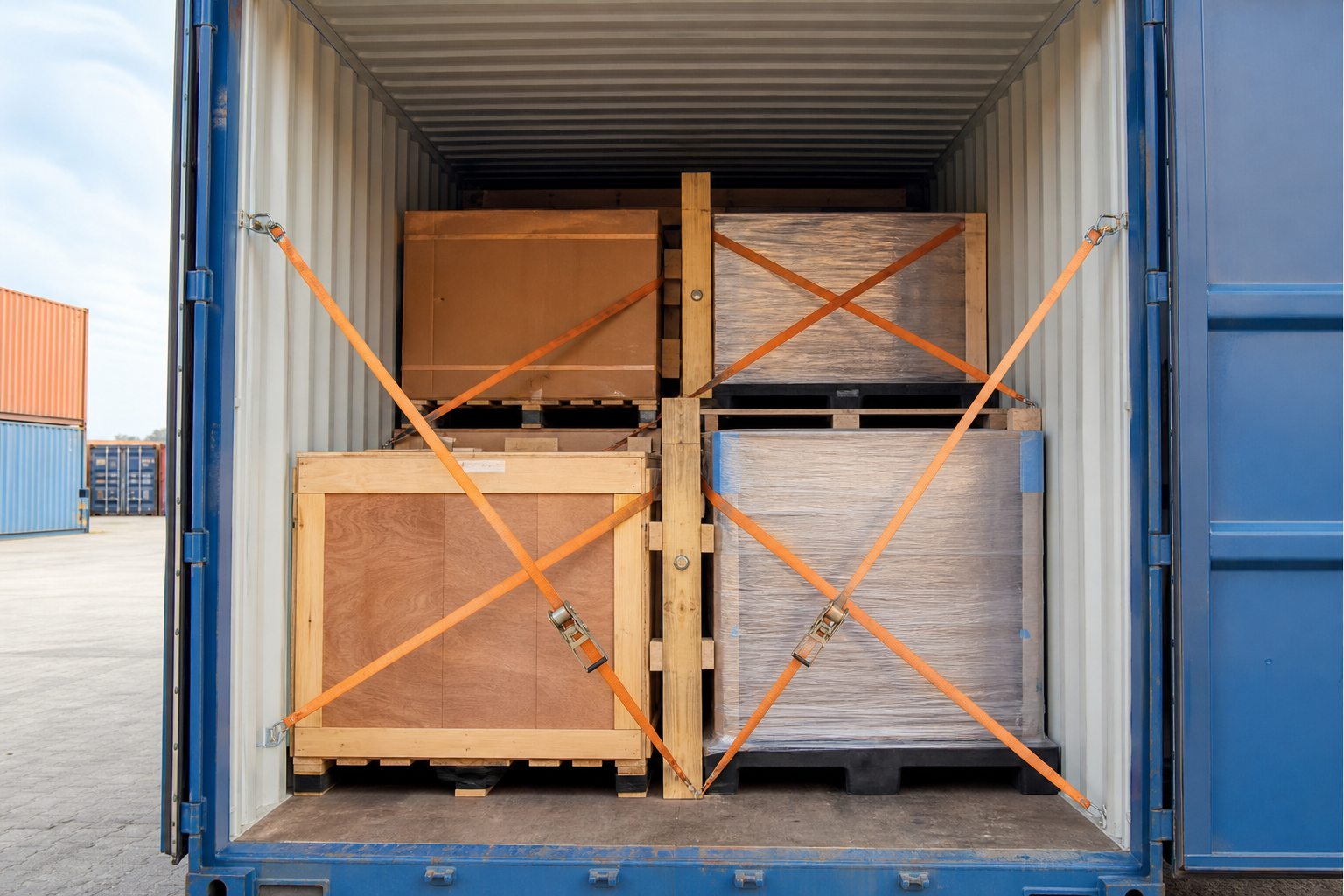
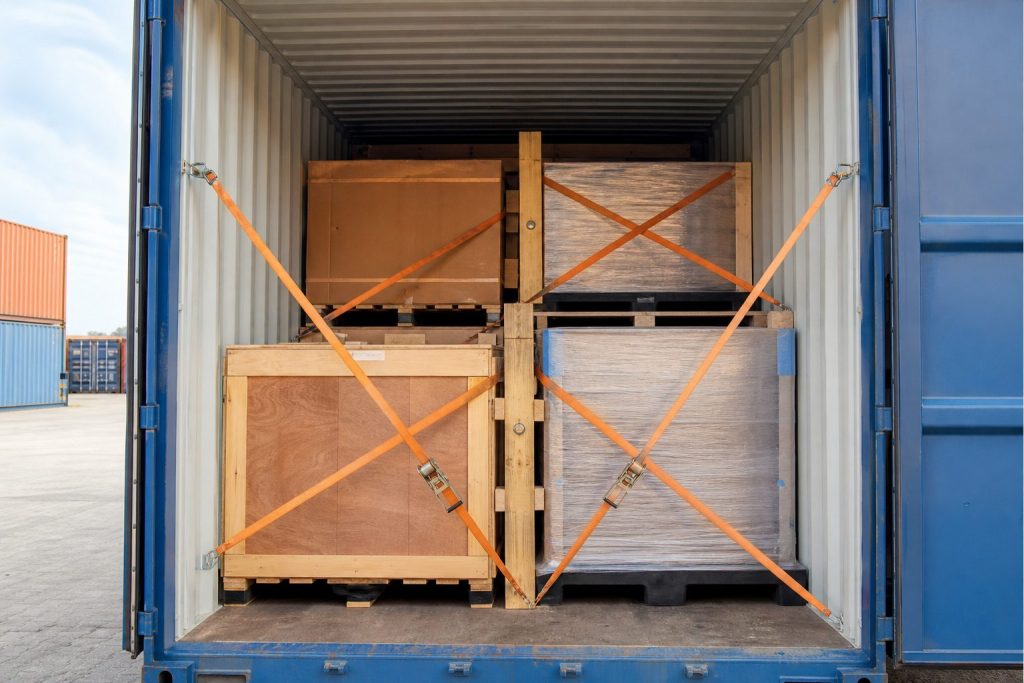
Container Stuffing is the process of placing goods, packages, pallets or equipment inside a container. The goal is not only to maximize the available space; the goods must also be arranged in a way that distributes the weight properly, provides access for operations, and prevents the cargo from moving during land and sea transport.
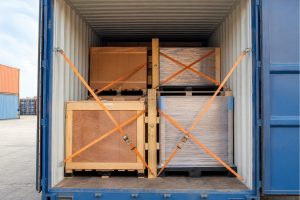
Lashing, on the other hand, is the set of measures taken to secure the load. Straps, restraints, blocks, void fillers, and other devices can be used depending on the type of cargo.
The IMO emphasizes that many cargo accidents are related to improper stowage, inadequate securing, overloading or misdeclaration of cargo specifications.
What should we check before loading a container?
The first step is to select a container that is appropriate for the type of goods. The container should be inspected for floor, walls, roof, doors, and connection points and should be free of any signs of serious damage, water intrusion, or structural defects.
Not every type of container can be used for specific goods. Temperature-sensitive cargo requires a refrigerated container, some extremely heavy or oversized goods require a Flat Rack or Open Top, and some liquids require specialized equipment.
After that, the total weight of the goods, the weight of each package or pallet, and the location of the goods must be determined.
Why is weight distribution in a container important?
One common mistake in loading is simply trying to fill the entire container space. A full container does not mean that the load is correct.
Excessive concentration of weight in one area can shift the cargo’s center of gravity and place abnormal stress on the container floor or structure. Therefore, heavier goods should be placed within the container’s capacity and load distribution principles to avoid creating serious imbalances in the length or width of the container.
In mixed shipments, it is also better to prepare a simple loading plan before starting the operation, especially when the packages have very different weights and dimensions.
Why is empty space inside a container dangerous?
The large amount of space between packages allows the cargo to move during truck braking, container handling operations, or ship movements.
In such conditions, even intact packaging may be damaged. For this reason, depending on the type of cargo, methods such as blocking, bracing, lashing, and appropriate materials are used to fill empty spaces.
It is important to note that the securing equipment must be selected according to the weight, shape and nature of the cargo; there is no one-size-fits-all method. The CTU Code also provides comprehensive guidelines for packing and securing cargo in shipping units.
What does VGM have to do with container loading?
Once loaded, the correct weight of the container is of utmost importance. According to SOLAS regulations, the Verified Gross Mass (VGM) of the container must be provided to the relevant parties before the container is loaded onto the ship.
The IMO has provided two general methods for determining the VGM: weighing the filled container or calculating the weight of all goods, pallets, lashings and packaging materials and adding the empty weight of the container, provided that the method is approved by the competent authority. Without a valid VGM, a SOLAS container should not be loaded onto a ship.
There is also a separate page on the site about VGM, which can be used as an internal link.
Common mistakes when loading containers
The most important errors include concentrating heavy loads in one spot, leaving empty space without proper restraint, using poor pallets or packaging, placing incompatible goods next to each other, blocking the air circulation path in sensitive cargo, and declaring incorrect weight.
The issue is even more complex when transporting dangerous goods, and in addition to securing, requirements for classification, packaging, marking and documentation must be met. The CTU Code also specifically addresses the packaging and transport of dangerous goods.
Conclusion
Container loading and securing is not a simple warehousing operation; it is part of international transportation risk management. Selecting the right container, checking its health, correctly distributing the weight, securing the cargo, and accurately declaring the VGM can reduce the likelihood of damage to the goods, operational delays, and safety issues.
For heavy, sensitive, project-related, or unusually structured cargo, it is best to review the loading method with a transportation expert before starting the operation.
FAQ
Does the container have to be completely filled?
No. The main criteria for proper loading are safety and proper distribution of the load, not simply filling the entire container space.
What is the difference between Stuffing and Lashing?
Stuffing refers to the process of loading goods into a container, and Lashing refers to securing and securing them.
VGM را چه کسی باید اعلام کند؟
According to IMO/SOLAS regulations, the responsibility for providing VGM lies with the Shipper defined in the shipping document.
Suggested internal links: “What is VGM?”, “What is a container and what are its types?”, “NVOCC sea transportation”, “Dangerous goods”.
Main sources: IMO, UNECE and official pages related to CTU Code and SOLAS/VGM.
© All material and intellectual property rights of this article are reserved for Aria Amwaj Sahel Lian.